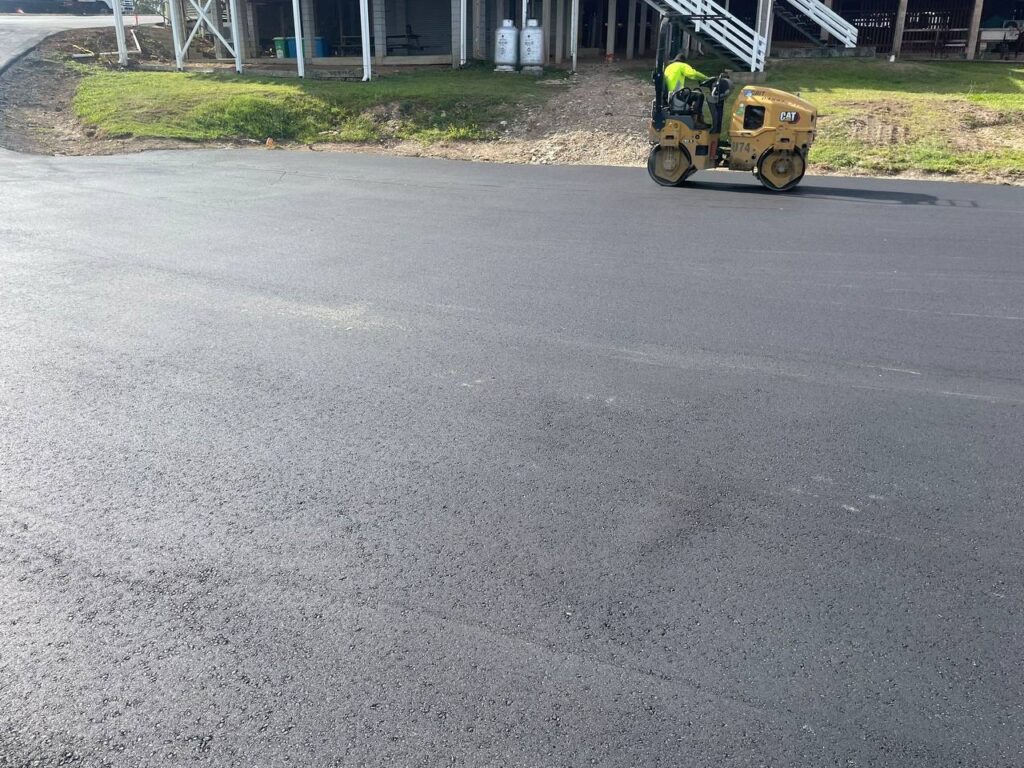
Cracks, ruts and potholes are common signs that an asphalt or bitumen surface is deteriorating. An isolated defect does not necessarily mean the entire pavement needs replacing, but when several types of damage begin appearing together, repeatedly return after repairs, or affect large sections of the surface, it may be time to consider a more comprehensive upgrade.
For property owners and businesses in Booval, QLD, knowing the difference between repairable surface wear and deeper pavement failure can help prevent ongoing deterioration. The key is to assess why the damage is occurring rather than simply covering visible defects.
What Is Your Surface Damage Telling You?
Different pavement defects can point towards different underlying problems. Understanding what they may indicate is an important part of deciding whether repairs, resurfacing or more substantial reconstruction is appropriate.
A professional assessment looks beyond the appearance of the pavement and considers the condition of the base, drainage, grading and the way vehicles use the area.
Cracks Can Be an Early Warning
Small, isolated cracks may simply indicate normal ageing and can often be addressed before they become more serious. However, extensive or interconnected cracking can suggest that movement is occurring within the pavement structure.
Once cracks open, they also provide a pathway for water to enter beneath the surface. Moisture can gradually weaken the supporting layers, allowing further movement and deterioration.
If cracks continually return after being repaired, treating the visible opening alone may no longer be enough.
Ruts May Indicate Movement Below the Surface
Rutting occurs when depressions develop along frequently travelled wheel paths. It can make the pavement uncomfortable to drive across and may allow water to collect in the affected areas.
Minor surface deformation can sometimes be corrected, but significant or widespread rutting may indicate problems with the pavement structure or underlying base.
Traffic demands also matter. If a road, driveway, car park or access area is now carrying heavier or more frequent vehicles than it was originally designed for, the existing pavement may no longer provide sufficient support.
Recurring Potholes Deserve Closer Attention
A pothole is rarely just a hole in the surface. It commonly develops after part of the pavement loses structural support and begins breaking apart under traffic.
A properly completed local repair can be effective where the surrounding pavement remains sound. However, repeated potholes across the same surface may indicate more widespread problems.
If repaired potholes keep returning, factors such as water penetration, weak base material, poor drainage or pavement movement should be investigated.
When Are Local Repairs Still Suitable?
Not every damaged pavement needs a complete upgrade.
If deterioration is limited to a small area and the surrounding pavement remains structurally stable, targeted repairs can restore the affected section and help prevent the problem from spreading.
Localised repairs may be appropriate where:
- Cracking is limited rather than widespread
- Potholes are isolated
- The pavement remains generally level and stable
- Drainage is functioning effectively
- The base remains sound
- Previous repairs are performing successfully
The objective should be to preserve a fundamentally sound pavement rather than replace it unnecessarily.
When Does Resurfacing Make More Sense?
Sometimes the pavement remains structurally suitable, but the wearing surface has deteriorated considerably.
In these circumstances, resurfacing may provide an effective way to renew the pavement without completely rebuilding it. Necessary repairs can be completed first before a suitable new surface treatment is applied.
Resurfacing can improve the condition, usability and appearance of an ageing pavement while adding renewed protection against everyday traffic and weather exposure.
However, a new surface should not simply be placed over significant structural defects. Existing failures need to be identified and corrected beforehand.
Signs a Complete Upgrade May Be Needed
There comes a point where continuing to repair individual defects becomes less effective because deterioration is no longer confined to the surface.
A more comprehensive pavement upgrade may be worth considering when there is a combination of:
- Extensive cracking across large areas
- Deep or widespread rutting
- Numerous recurring potholes
- Significant depressions or settlement
- Persistent water pooling
- Failed pavement edges
- Movement within the surface
- Repeated repairs that continue to deteriorate
When several of these problems occur together, the pavement base or overall construction may require attention.
Why the Condition of the Base Matters
The visible asphalt or bitumen layer is only one part of a pavement. Beneath it sits the prepared base responsible for supporting vehicle loads and providing structural stability.
If this base becomes weak, saturated or unstable, repairing the upper surface alone cannot restore the support that has been lost.
A complete upgrade provides an opportunity to remove failed materials, repair or reconstruct unsuitable sections of the base, compact the pavement correctly and install a new surface over a stable foundation.
For ageing surfaces in Booval, QLD, addressing what lies underneath can be the difference between another temporary repair and a genuinely improved pavement.
Drainage Should Be Part of the Assessment
Water and pavement deterioration are closely connected.
Poor grading may allow water to remain in low sections, while cracks and potholes provide openings through which moisture can reach the underlying layers. Once the base becomes wet and weakened, traffic can accelerate the damage.
If water consistently pools in the same places, simply repairing the damaged asphalt may result in the problem returning.
A professional upgrade can include correcting surface levels and grading so that water moves away more effectively.
Consider How the Surface Is Being Used Today
A pavement that was suitable when originally constructed may not necessarily suit the way a property is used today.
Changes in traffic volume, vehicle weight or turning movements can place additional demands on an older surface. Commercial access areas and hardstands can be particularly affected where regular vehicle movements become more intensive over time.
When planning an upgrade, contractors can assess current use rather than simply rebuilding the pavement to its previous condition. This allows the surface and supporting structure to be prepared appropriately for the demands it now experiences.
Why a Professional Assessment Is Valuable
It can be difficult to determine the true condition of a pavement from visible damage alone. Two surfaces with similar-looking potholes may require very different solutions depending on what is happening underneath.
Professional asphalt and bitumen contractors can assess cracking patterns, rutting, drainage, pavement movement, base condition and traffic requirements before recommending an approach.
The appropriate solution may involve targeted repairs, resurfacing, correcting drainage and grading, rebuilding failed sections or undertaking a more complete pavement upgrade. The aim should be to carry out the work the surface genuinely requires rather than automatically choosing the most extensive option.
Conclusion
Cracks, ruts and potholes do not automatically mean an asphalt or bitumen surface needs to be completely replaced. Localised defects can often be repaired successfully, while structurally sound but ageing pavements may be suitable for resurfacing.
However, widespread cracking, recurring potholes, significant rutting, drainage problems and pavement movement can indicate that deterioration extends deeper than the visible surface. In these situations, a more comprehensive upgrade allows the underlying causes to be addressed and provides a stronger foundation for future performance.
For property owners and businesses in Booval, QLD, Booval Surfacing Solutions can assess deteriorating asphalt and bitumen surfaces and recommend an appropriate approach based on their actual condition. If your pavement is showing multiple signs of failure, contact our team to discuss whether repair, resurfacing or a more complete upgrade is the right solution.
Call us on: 07 4517 4097
Click here to find out more about Booval Surfacing Solutions
Click here to complete our contact form and see how we can help with your driveway needs.