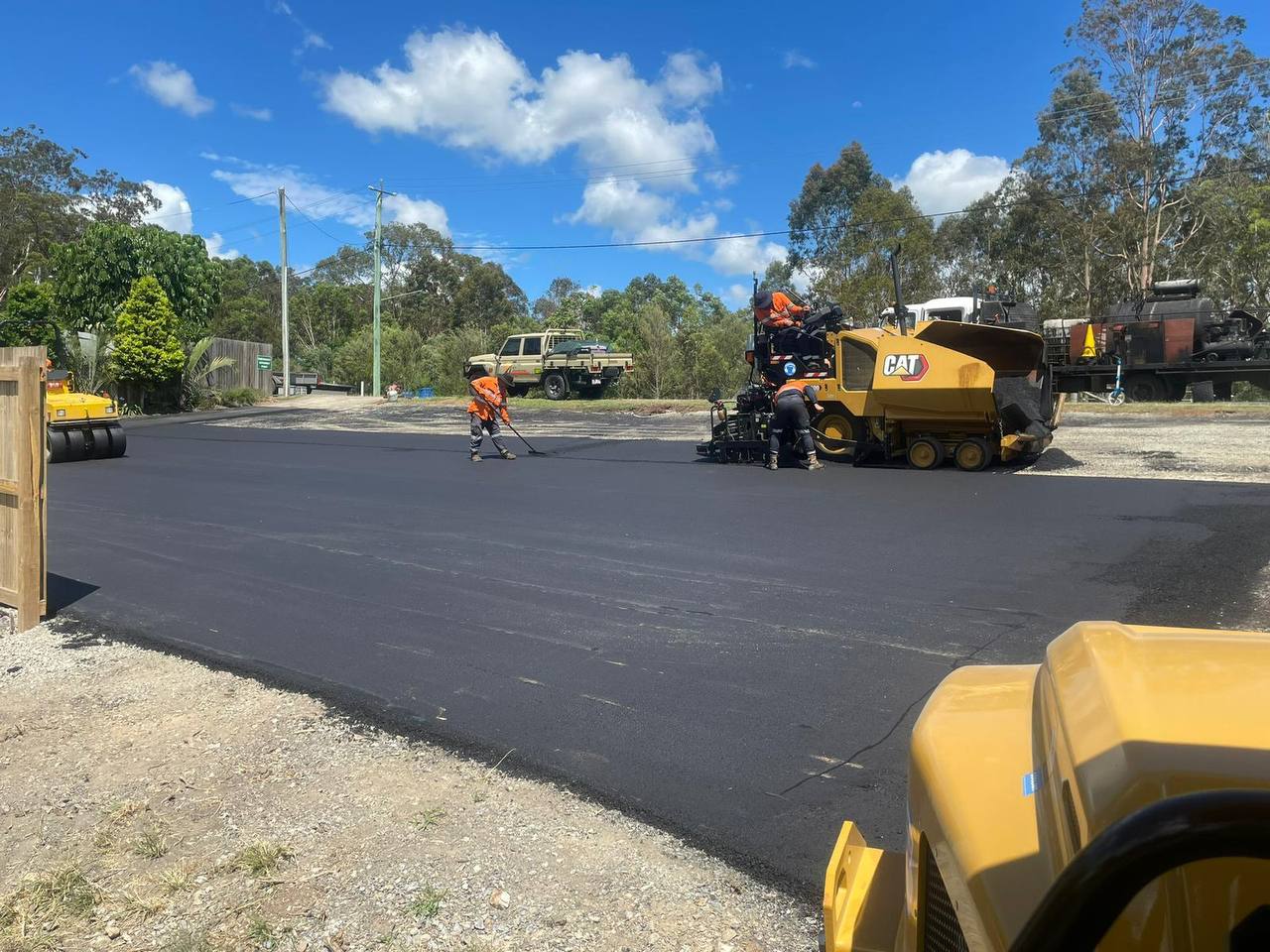
When an asphalt driveway, access road or parking area begins showing signs of deterioration, it can be difficult to determine how much work is actually necessary. Cracks, potholes, uneven sections and surface wear may suggest that the pavement needs extensive attention, but visible damage does not always mean the entire surface requires replacement.
In many cases, a professional asphalt assessment can identify whether the problem is confined to a small area, affects the wearing surface or extends into the supporting pavement. This distinction is important because different types of deterioration require different solutions.
For property owners and businesses in Booval, QLD, having an asphalt surface professionally assessed before arranging repairs or resurfacing can help ensure the work is appropriate for the pavement’s actual condition. Rather than automatically recommending a complete replacement, an experienced contractor can examine the causes of deterioration and determine which sections genuinely require attention.
Why Is a Professional Asphalt Assessment Important Before Repairs or Resurfacing?
A professional asphalt assessment involves examining the existing pavement to understand its condition, identify defects and determine the most appropriate maintenance or restoration method.
The process considers more than the appearance of the surface. An experienced contractor will look for signs of underlying movement, drainage problems, structural deterioration and damage caused by repeated traffic loading.
This helps distinguish between defects that can be corrected through localised repairs and problems requiring more extensive pavement work.
1. An Assessment Can Identify Damage That Is Only Surface-Related
Not every crack or worn section indicates serious pavement failure.
Asphalt gradually deteriorates through ageing, traffic exposure and environmental conditions. Over time, the wearing surface may become rougher, develop minor cracks or begin losing aggregate.
Where the supporting pavement remains stable, these problems may be suitable for targeted maintenance or resurfacing.
Common signs of surface-related deterioration include:
- Minor isolated cracking
- General asphalt ageing
- Limited aggregate loss
- Localised surface wear
- Small damaged patches
- A rough or weathered finish
A professional assessment helps establish whether these defects are confined to the upper pavement layers.
If the underlying structure remains suitable, extensive reconstruction may be unnecessary.
2. Localised Repairs May Be Sufficient
A driveway or access road can remain in good overall condition while containing one or two damaged sections.
For example, a pothole may develop near an entrance, or a small area may begin cracking because of localised settlement.
These defects do not automatically mean the entire pavement needs resurfacing.
Where the surrounding asphalt remains stable, localised repairs may provide an appropriate solution.
The work may involve removing damaged material, preparing the affected area and reinstating suitable asphalt.
By identifying the actual limits of deterioration, a professional assessment helps ensure repairs focus on the sections that require attention.
3. It Helps Determine Whether Resurfacing Is Appropriate
Asphalt resurfacing can be an effective way to restore an ageing pavement when the supporting structure remains sound.
However, resurfacing is not always necessary.
A surface with only minor isolated defects may be better suited to localised repairs.
Conversely, a pavement showing widespread surface wear, numerous cracks and several deteriorating patches may benefit from a broader resurfacing approach.
A professional contractor can assess whether the condition of the pavement justifies renewing the wearing surface.
Factors considered may include:
- The extent of cracking
- General surface condition
- Aggregate loss
- Previous repairs
- Pavement stability
- Surface levels
- Drainage
- Expected traffic loading
This helps determine whether resurfacing will address the actual problem.
4. A Professional Assessment Can Identify Underlying Pavement Failure
Some asphalt defects are caused by problems beneath the visible surface.
The supporting pavement layers help distribute vehicle loads and maintain stability.
If these layers become weak or unstable, the asphalt above may begin cracking, settling or deforming.
Warning signs include:
- Deep wheel rutting
- Significant settlement
- Widespread interconnected cracking
- Soft pavement sections
- Recurring potholes
- Repeated failure of previous repairs
- Noticeable movement under vehicle loading
In these circumstances, simply applying new asphalt over the damaged area may not provide an effective solution.
A professional assessment helps determine whether deeper repairs are necessary before the surface is restored.
5. It Can Prevent Unnecessary Complete Reconstruction
One of the main benefits of professional assessment is identifying how much of the existing pavement can be retained.
A surface may appear extensively worn while its supporting layers remain structurally suitable.
In this situation, resurfacing or targeted repairs may be appropriate instead of removing and rebuilding the entire pavement.
Alternatively, an isolated section may require reconstruction while the surrounding asphalt remains in good condition.
The objective is to preserve serviceable pavement wherever practical.
A professional contractor can distinguish between areas that need substantial attention and those that can continue performing with suitable maintenance.
6. Drainage Problems Can Be Identified Before Work Begins
Water can contribute to asphalt deterioration when it enters cracks, collects in depressions or affects the supporting pavement.
If drainage problems are overlooked, repairs may fail to address the cause of the damage.
For example, a pothole may repeatedly develop in a low area where rainfall collects.
Repairing the pothole without assessing the surrounding surface levels may allow the same conditions to continue affecting the pavement.
During an assessment, contractors can examine:
- Areas of standing water
- Surface depressions
- Damaged pavement edges
- Existing drainage paths
- Cracks allowing water penetration
- Sections affected by repeated moisture exposure
Identifying these issues helps determine whether drainage improvements should form part of the repair or resurfacing work.
7. Existing Potholes Can Be Assessed Properly
A pothole is not always limited to the visible cavity.
The surrounding asphalt may be cracked or unsupported, while the pavement underneath may contain loose or weakened material.
Simply filling the opening without examining the affected area can leave unstable sections in place.
A professional assessment considers the depth of the pothole, the condition of its edges and whether the supporting pavement remains stable.
This helps determine whether the defect requires:
- Localised asphalt patching
- Removal of deteriorated material
- Deeper pavement preparation
- Repair of surrounding cracking
- More extensive pavement rehabilitation
Selecting the correct repair method can help prevent the same section from deteriorating again.
8. Repeated Repairs May Reveal a Different Problem
If the same area has required several repairs, the cause may extend beyond ordinary surface wear.
Recurring deterioration can indicate unstable supporting material, persistent water penetration or traffic loading that exceeds the pavement’s capacity.
An assessment can examine previous repairs and identify patterns of failure.
For example, cracking that repeatedly develops around the edges of a patch may indicate movement within the surrounding pavement.
Rather than continuing to repair the same visible defect, a professional contractor can investigate whether the affected section requires deeper preparation.
This helps avoid repeating work that does not address the underlying cause.
9. Uneven Asphalt Does Not Always Need Complete Replacement
An uneven asphalt surface may develop through localised settlement, surface wear, previous repairs or deformation under traffic.
The appropriate solution depends on why the unevenness has occurred.
Where the supporting pavement remains stable, suitable levelling or localised repairs may restore the affected area.
However, if the surface is sinking because of unstable material underneath, adding asphalt alone may not prevent further settlement.
A professional assessment helps determine whether the unevenness is superficial or structural.
This distinction is important when deciding whether to repair individual sections, resurface the pavement or undertake more substantial work.
10. Traffic Requirements Can Be Considered Before Selecting a Solution
An asphalt surface should be maintained according to how it is used.
A residential driveway carrying passenger vehicles experiences different stresses from a commercial access area regularly used by heavier vehicles.
Turning, braking and repeated vehicle movements can also concentrate loads in particular sections.
During an assessment, contractors can consider:
- Vehicle types
- Traffic frequency
- Heavy vehicle movements
- Turning areas
- Parking and loading locations
- Frequently travelled wheel paths
Understanding these conditions helps determine whether the existing pavement is suitable for its intended use.
It also helps ensure that proposed repairs or resurfacing work are appropriate for the expected traffic.
What Does a Professional Asphalt Assessment Involve?
The exact process depends on the condition and size of the pavement.
A typical assessment begins with examining the visible surface and identifying areas of deterioration.
The contractor may then consider the likely causes of damage and whether further investigation is necessary.
Important stages can include the following.
Inspecting the Existing Surface
The contractor examines cracks, potholes, aggregate loss, depressions, damaged edges and previous repairs.
This provides an initial understanding of the pavement’s overall condition.
Identifying Patterns of Deterioration
The location and distribution of defects can provide useful information.
For example, cracking concentrated in wheel paths may suggest traffic-related stress, while damage around low points may indicate moisture-related deterioration.
Assessing Pavement Stability
Signs of movement, settlement or structural weakness are considered.
Where necessary, further investigation may be recommended to establish the condition of the supporting pavement.
Checking Drainage and Surface Levels
The assessment considers whether water is collecting on the surface or entering vulnerable pavement sections.
Considering Traffic Demands
The contractor examines how the area is used and whether the pavement is suitable for the vehicles it carries.
Recommending Appropriate Work
Based on the findings, the contractor can determine whether maintenance, localised repairs, resurfacing or more extensive pavement rehabilitation is appropriate.
How Can You Tell Whether Asphalt Needs Repair or Resurfacing?
Although professional assessment is recommended, certain signs can help property owners understand the likely condition of their pavement.
| Pavement condition | Potentially suitable approach |
| One isolated pothole | Localised pothole repair |
| Minor cracking in limited areas | Appropriate crack treatment or localised repair |
| Small failed asphalt section | Removal and reinstatement of the affected area |
| General surface ageing | Maintenance or resurfacing assessment |
| Widespread surface wear | Asphalt resurfacing, if the base remains sound |
| Extensive aggregate loss | Surface rehabilitation or resurfacing |
| Deep rutting and settlement | Investigation of the supporting pavement |
| Repeated structural failures | Deeper repair or partial reconstruction |
These are general indicators rather than definitive recommendations. The correct method depends on the pavement’s actual condition.
Why Is Surface Preparation Important?
Even when the appropriate repair method has been identified, preparation remains essential.
New asphalt should not simply be installed over loose, unstable or unsuitable material.
Depending on the condition of the pavement, preparation may involve:
- Removing deteriorated asphalt
- Repairing unstable sections
- Correcting localised depressions
- Preparing suitable repair boundaries
- Addressing relevant drainage problems
- Cleaning the existing surface
- Installing and compacting appropriate materials
A professional assessment helps establish which preparation stages are necessary.
This supports a more reliable result and reduces the likelihood of unresolved defects affecting the completed work.
Can an Assessment Help Plan Future Maintenance?
A professional assessment is useful even when extensive repairs are not immediately required.
An existing asphalt surface may still be performing adequately but showing early signs of deterioration.
Identifying these signs allows property owners to plan suitable maintenance before larger defects develop.
Useful maintenance measures may include:
- Monitoring minor cracks
- Repairing localised damage
- Maintaining drainage
- Inspecting previous repairs
- Addressing early aggregate loss
- Monitoring areas of settlement
- Assessing the surface periodically for resurfacing suitability
A planned approach can help preserve serviceable pavement and avoid unnecessary intervention.
When Should You Arrange an Asphalt Assessment?
An assessment is worth considering when the surface begins showing noticeable deterioration or when previous repairs are no longer performing effectively.
Particular warning signs include:
- Cracks spreading across the pavement
- Potholes appearing repeatedly
- Sections beginning to sink
- Loose stones collecting on the surface
- Water remaining in depressions
- Previous patches deteriorating
- Increasing surface roughness
- Uneven areas affecting vehicle movement
It is also sensible to arrange an assessment before committing to a larger resurfacing project.
This helps establish whether the proposed work is necessary and whether the existing pavement is suitable for the intended treatment.
Why Professional Advice Matters
Asphalt deterioration can have several causes, and the most visible defect is not always the most important problem.
An experienced contractor can examine the relationship between the wearing surface, supporting pavement, drainage and traffic conditions.
This helps distinguish between defects requiring simple maintenance and problems needing more extensive attention.
Professional assessment also provides an opportunity to identify sections that remain in good condition and do not require unnecessary disturbance.
For property owners and businesses, this means the proposed work can be based on the pavement’s actual requirements rather than assumptions about its appearance.
Conclusion
A professional asphalt assessment can help prevent unnecessary work by identifying the true extent and cause of pavement deterioration. Cracks, potholes, surface wear and uneven sections do not automatically mean an entire driveway, access road or parking area needs replacing.
Where damage is limited, localised repairs may be sufficient. Where the wearing surface has deteriorated more extensively but the supporting pavement remains stable, resurfacing may be appropriate. More substantial rehabilitation should generally be considered when the underlying pavement has experienced significant failure.
The key is to select the correct treatment based on pavement condition, drainage, traffic demands and the stability of the supporting layers.
For property owners and businesses in Booval, QLD, Booval Surfacing Solutions provides professional asphalt repairs and resurfacing services. If your asphalt surface is showing signs of deterioration, contact our team to arrange an assessment and discuss the most appropriate work for restoring its condition without undertaking unnecessary repairs or replacement.
Call us on: 07 4517 4097
Click here to find out more about Booval Surfacing Solutions
Click here to complete our contact form and see how we can help with your driveway needs.