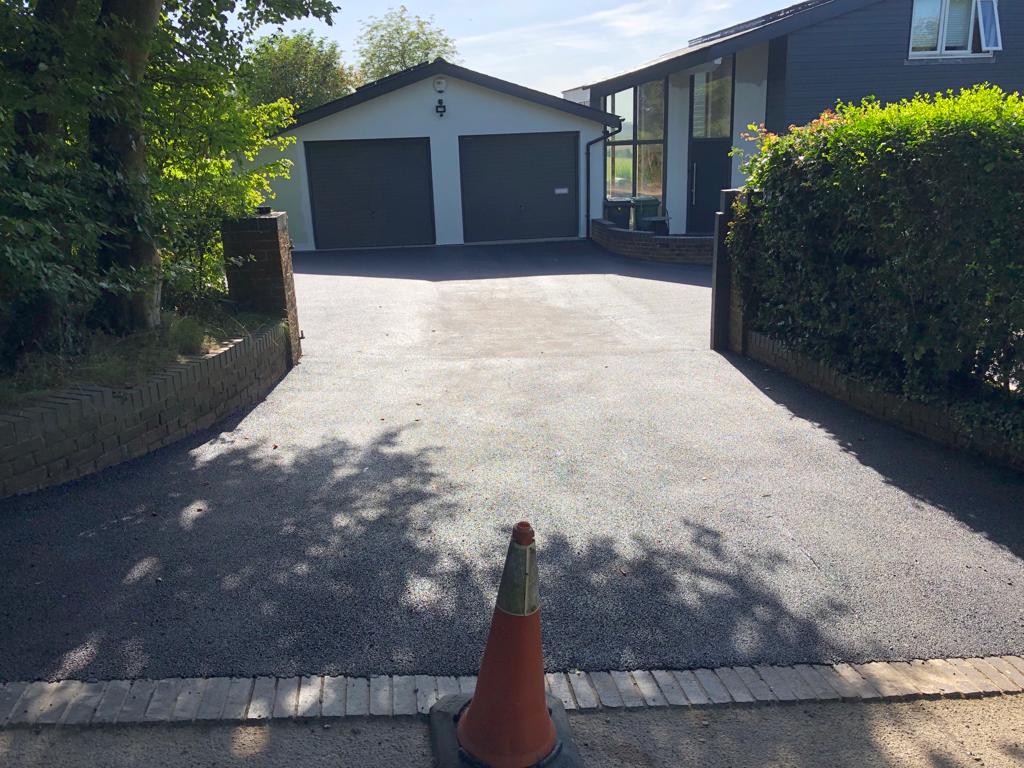
An older road does not necessarily need complete reconstruction simply because its surface has become worn, weathered or less consistent. In many cases, the underlying pavement may still be capable of supporting regular traffic, even though the wearing surface is showing signs of deterioration. When the foundation remains stable, professional spray and seal bitumen surfacing can be an effective way to renew the road and improve its ongoing performance.
For property owners and businesses in Booval, QLD, understanding when spray and seal is appropriate can help determine the most suitable approach to restoring an ageing road. The process involves more than applying a fresh layer of bitumen. Proper assessment, preparation, drainage and application all contribute to creating a reliable surface that can continue serving its intended purpose.
What Is Spray and Seal Bitumen Surfacing?
Spray and seal is a road surfacing method that involves applying a controlled layer of bitumen binder to a prepared pavement, followed by a layer of suitable aggregate.
The aggregate is spread evenly and rolled into the binder to form a protective wearing surface.
Depending on the road’s intended use and existing condition, the treatment may involve a single application or multiple layers of binder and aggregate.
Unlike asphalt, which is manufactured as a combined mixture before placement, spray and seal uses separate applications of bitumen and aggregate to form the finished surface.
When installed over a properly prepared and stable pavement, it can provide a practical wearing surface for suitable roads and access areas.
Why Do Older Roads Begin to Deteriorate?
Road surfaces experience gradual wear through regular vehicle movements and environmental exposure.
Over time, an older road may develop changes in texture, minor cracking, aggregate loss or localised surface defects.
The rate of deterioration depends on several factors, including traffic loading, drainage, pavement construction and previous maintenance.
Common signs of an ageing road include:
- Worn or weathered surface material
- Loose aggregate
- Minor cracking
- Isolated potholes
- Uneven surface texture
- Deteriorating pavement edges
- Previous repairs becoming more noticeable
- Water collecting in shallow depressions
These signs do not always mean the entire pavement has failed.
A professional assessment can establish whether deterioration is limited to the wearing surface or extends into the supporting pavement.
How Spray and Seal Can Restore an Older Road
The primary benefit of spray and seal is its ability to provide a renewed wearing surface over a suitable existing pavement.
When the road base remains structurally stable, the treatment can protect the prepared surface from direct traffic wear and reduce water penetration through the treated area.
The aggregate provides the road’s wearing texture, while the bitumen binder holds the aggregate in place and helps form a protective surface layer.
For an older road that has become weathered but remains fundamentally sound, this can improve its condition without requiring complete reconstruction.
However, spray and seal should not be expected to correct substantial foundation movement, deep rutting or widespread structural failure.
These problems need to be addressed before the surface treatment is applied.
1. It Can Renew a Weathered Road Surface
One of the most noticeable changes in an older road is the gradual deterioration of its wearing surface.
Years of traffic can leave the pavement looking uneven, worn or patchy.
Where the existing pavement remains stable, spray and seal can provide a renewed surface with a more consistent appearance and texture.
The treatment covers the prepared pavement with a fresh bitumen binder and aggregate layer, restoring a functional wearing surface.
This can be particularly beneficial where general surface deterioration is widespread but the underlying road structure remains serviceable.
The objective is to preserve suitable pavement while renewing the layer directly exposed to traffic.
2. It Helps Protect the Pavement From Water Penetration
Water is a significant contributor to pavement deterioration.
When rainfall enters cracks or damaged sections, it can affect the supporting materials beneath the road.
If these materials lose stability, vehicle traffic can cause further movement, resulting in cracking, rutting and potholes.
A properly applied spray and seal treatment can help limit water entering through the treated surface.
However, existing cracks and failed sections must be assessed and addressed before sealing.
The treatment also needs to work alongside suitable road drainage. Spray and seal cannot prevent water from collecting where pavement levels are incorrect.
For older roads in Booval, checking drainage before resealing is an important part of planning a successful surface improvement.
3. It Can Improve Surface Texture
As roads age, the wearing surface may become polished, worn or inconsistent.
Spray and seal introduces a new layer of aggregate selected for the road’s intended use.
The aggregate contributes to the finished surface texture and provides contact between vehicle tyres and the road.
Correct aggregate selection is important because different traffic conditions place different demands on the surface.
The contractor must also ensure the binder application is appropriate for the aggregate and pavement conditions.
A properly designed and applied treatment can restore a more consistent surface texture across the road.
4. It Can Extend the Serviceability of a Stable Road
One of the main reasons to consider spray and seal is to maintain a road before deterioration becomes extensive.
If the supporting pavement remains stable, renewing the wearing surface can help protect the existing structure from further exposure.
This can allow the road to continue performing its intended function without unnecessary disturbance of sound pavement layers.
The important distinction is between surface ageing and structural deterioration.
A road with a stable foundation may be suitable for resealing after appropriate preparation. A road experiencing widespread settlement or foundation failure will require more substantial work.
Professional assessment helps determine which situation applies.
5. It Can Provide a More Consistent Surface Across Previously Repaired Areas
Older roads often contain patches from previous maintenance.
Some repairs may remain stable while others begin showing signs of deterioration.
Where previous repairs are structurally sound and appropriately prepared, spray and seal may help create a more consistent wearing surface across the treated road.
However, unstable patches should not simply be covered.
Any failed repairs, potholes or weakened sections need to be corrected before the new treatment is applied.
This helps ensure the finished surface is supported by suitable pavement rather than concealing defects that may continue developing underneath.
6. It Can Be Suitable for Certain Access Roads
Spray and seal is commonly considered for roads and access areas where the pavement has been appropriately constructed and the treatment suits the expected traffic.
For an older access road, the suitability of resealing depends on factors such as:
- Existing pavement strength
- Vehicle types and frequency
- Road width and alignment
- Surface condition
- Drainage
- Turning and braking movements
- Foundation stability
- Previous maintenance
These factors influence whether spray and seal is appropriate and what preparation may be required.
A professional contractor can assess the road’s current condition and intended use before recommending a treatment.
Why Road Preparation Matters Before Spray and Seal
A successful spray and seal application depends heavily on the pavement underneath.
The treatment is a wearing surface, not a substitute for a properly prepared road base.
If loose material, potholes, significant cracks or unstable sections remain, the finished surface may be affected by continued movement.
Preparation may involve cleaning the road, repairing defects, correcting localised depressions and addressing unstable pavement.
Where the existing surface is unsuitable, additional grading, pavement strengthening or reconstruction may be necessary.
The level of preparation should be determined by the road’s actual condition rather than simply its appearance.
Potholes Should Be Repaired Before Resealing
Potholes are one of the clearest signs that an older road may need more than a straightforward surface treatment.
A pothole forms when pavement material breaks away, often after the surrounding asphalt or bitumen surface has weakened.
If the supporting pavement has deteriorated, the affected section may need to be removed and reconstructed.
Spray and seal should not be applied directly over an unrepaired pothole.
The opening must first be properly addressed so the renewed wearing surface is installed over stable material.
Where numerous potholes are present, the contractor should also investigate whether they indicate broader pavement deterioration.
Cracking Needs to Be Assessed Before Treatment
Not all cracks indicate the same problem.
Minor surface cracking can develop as a pavement ages, while more extensive cracking may indicate movement or weakness within the supporting layers.
The pattern, width and location of cracks can help identify their likely cause.
Where cracks are stable and suitable for treatment, appropriate preparation may allow resealing to proceed.
However, cracks associated with significant movement or structural failure require more substantial attention.
A new spray and seal layer cannot reliably prevent active structural cracks from affecting the surface if the underlying cause remains unresolved.
Why Drainage Is Essential for Older Road Restoration
An ageing road may develop depressions or uneven levels that change how water moves across the surface.
Rainfall can begin collecting in wheel paths or low points instead of draining away.
If water remains on the pavement, it can increase exposure around cracks and damaged sections.
Before spray and seal is applied, the contractor should assess whether the existing road has suitable surface falls.
Where necessary, grading or other pavement preparation may be required to improve drainage.
The aim is to ensure the renewed surface works with the road’s existing drainage system rather than reproducing avoidable problems.
Can Spray and Seal Fix an Uneven Road?
Spray and seal is not designed to correct substantial unevenness by itself.
The treatment follows the general profile of the prepared pavement.
If the road contains deep wheel ruts, depressions or significant changes in level, these defects should be corrected before sealing.
Depending on the condition of the road, this may involve grading, adding suitable pavement material, compaction or localised reconstruction.
Once the road has been prepared to an appropriate profile, spray and seal may be considered as the final wearing surface.
This is why surface preparation is often as important as the application itself.
When Is Spray and Seal Not the Right Solution?
Although spray and seal can be effective for suitable roads, it is not appropriate for every deteriorating pavement.
More extensive work may be required where the road has:
- Widespread foundation movement
- Deep structural rutting
- Significant settlement
- Numerous recurring potholes
- Extensive unstable sections
- Major drainage problems
- Pavement that cannot adequately support existing traffic
In these circumstances, the road may require substantial repairs or reconstruction before any new surface treatment can be installed.
Certain traffic conditions may also make another surfacing method more appropriate.
Professional assessment helps establish whether spray and seal, asphalt resurfacing or broader pavement reconstruction is the better approach.
How Does Spray and Seal Compare With Asphalt Resurfacing?
Both spray and seal and asphalt resurfacing can renew a road, but they use different materials and installation methods.
Spray and seal involves applying bitumen binder and aggregate directly onto a prepared pavement.
Asphalt resurfacing involves placing and compacting a manufactured asphalt mixture to create a renewed wearing layer.
The most suitable option depends on the road’s condition, expected traffic, surface requirements and supporting pavement.
Spray and seal may be appropriate for a stable road requiring a protective wearing treatment.
Asphalt may be preferred where a different surface finish or pavement performance is required.
Neither method should be used to conceal significant structural failure.
The decision should be based on a professional assessment of the complete road.
Why Professional Application Makes a Difference
Spray and seal requires careful control throughout the application process.
The binder must be applied at an appropriate rate, and the aggregate needs to be selected and distributed to suit the pavement and traffic conditions.
Rolling helps embed the aggregate into the binder.
Application conditions, surface preparation and material compatibility all influence the finished result.
If binder or aggregate application is poorly controlled, the surface may experience problems such as aggregate loss, excessive binder exposure or inconsistent texture.
Experienced contractors understand the importance of matching the treatment to the road rather than applying the same approach to every surface.
What Should Be Checked Before Resealing an Older Road?
Before recommending spray and seal, a professional contractor should examine the complete pavement.
Important considerations include:
- Whether the road base remains stable
- The extent of existing surface wear
- Cracking and pothole damage
- Previous repair areas
- Wheel rutting and settlement
- Surface drainage
- Pavement edges
- Vehicle loading and traffic patterns
- Whether the existing surface is suitable for the proposed treatment
These checks help determine whether resealing is appropriate and identify any preparation required beforehand.
For older roads in Booval, this approach helps ensure the work addresses the actual condition of the pavement.
Why Early Resealing Can Be Beneficial
A road that is showing general surface wear but remains structurally sound may be a suitable candidate for preventive maintenance.
As the wearing surface continues deteriorating, cracks and exposed areas can allow additional moisture to enter the pavement.
Traffic can then accelerate damage around weakened sections.
Having the road assessed before deterioration becomes widespread can help identify whether spray and seal is suitable while the existing pavement structure remains serviceable.
However, resealing should be based on condition rather than age alone.
A road that looks weathered may not yet require treatment, while another surface with less obvious wear could contain defects needing immediate attention.
Maintaining a Spray and Seal Road
Once a road has been professionally treated, ongoing observation can help identify developing problems.
Property owners should pay attention to changes such as loose aggregate, new cracks, potholes, standing water and edge deterioration.
Some loose aggregate can be expected following a new spray and seal application, and contractors should provide appropriate guidance on initial traffic use and any required follow-up sweeping.
Over time, any developing defects should be assessed before they affect larger sections of the pavement.
Maintaining drainage and addressing localised damage promptly can help protect the renewed surface.
Conclusion
Spray and seal can give an older road a new lease on life when the underlying pavement remains structurally sound. By providing a renewed bitumen and aggregate wearing surface, the treatment can improve surface consistency, restore texture and help protect suitable pavement from further exposure.
However, the success of spray and seal depends on proper assessment and preparation. Potholes, unstable sections, significant cracking, drainage problems and pavement irregularities should be addressed before the new treatment is applied. Where the road has experienced substantial structural deterioration, more extensive repairs may be necessary.
If you have an older road or access area in Booval, QLD that is beginning to show signs of wear, Booval Surfacing Solutions can assess the existing pavement and determine whether spray and seal is a suitable option. Contact our team to discuss the condition of your road and the preparation required to restore a dependable, practical surface.
Call us on: 07 4517 4097
Click here to find out more about Booval Surfacing Solutions
Click here to complete our contact form and see how we can help with your driveway needs.